Skip to content
New Research: Butyrate Extends Lifespan in Mice With Mitochondrial Disease

A new study published in Nature Communications has found that butyrate — a compound made by gut bacteria — dramatically improved health and lifespan in mice with mitochondrial disease.
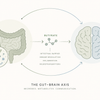
This research adds to growing evidence that the gut microbiome plays a powerful role in metabolism, aging, and overall health.
What the Researchers Did
Scientists created mice with severe mitochondrial dysfunction. Mitochondria are the “power plants” of our cells, and when they stop working properly it can lead to widespread health problems.
The mice quickly developed many signs of serious disease, including:
- muscle weakness
- metabolic problems
- organ damage
- neurological decline
But the researchers noticed something else interesting: the mice also had major disruptions in their gut microbiome.
The Butyrate Connection
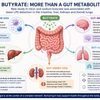
Healthy gut bacteria produce several important compounds called short-chain fatty acids, and one of the most important is butyrate.
Butyrate helps:
- maintain the gut barrier
- regulate inflammation
- support metabolism
- influence gene expression
In the sick mice, levels of butyrate were dramatically reduced because many butyrate-producing bacteria had disappeared.
What Happened When Butyrate Was Restored
Researchers then tried two ways of restoring butyrate levels:
- Transplanting gut bacteria from healthy mice
- Feeding the mice tributyrin, a compound that converts into butyrate
Both approaches improved the animals’ health.
The mice showed:
- better muscle strength
- improved metabolism
- improved kidney function
- slower disease progression
Most strikingly, lifespan increased significantly, with maximum lifespan increasing by more than 70% in some cases.
Why This Matters
Although this study was done in mice, it highlights an important idea:
The health of our mitochondria and the health of our gut microbiome are closely connected.
When the microbiome becomes disrupted and butyrate levels fall, it may accelerate disease. Restoring butyrate appears to help reverse some of these effects.
This is one reason scientists are increasingly interested in diet, fiber intake, probiotics, and supplements that support butyrate production.
The Bottom Line
This new research suggests that butyrate may play a powerful role in protecting metabolic health and slowing disease linked to mitochondrial dysfunction.
While much more research is needed in humans, it reinforces a simple principle:
Supporting your gut microbiome may be one of the most important things you can do for long-term health.