Skip to content
Gold-Standard Clinical Trial Finds Gut-Derived Short-Chain Fatty Acids Improve Parkinson's Symptoms
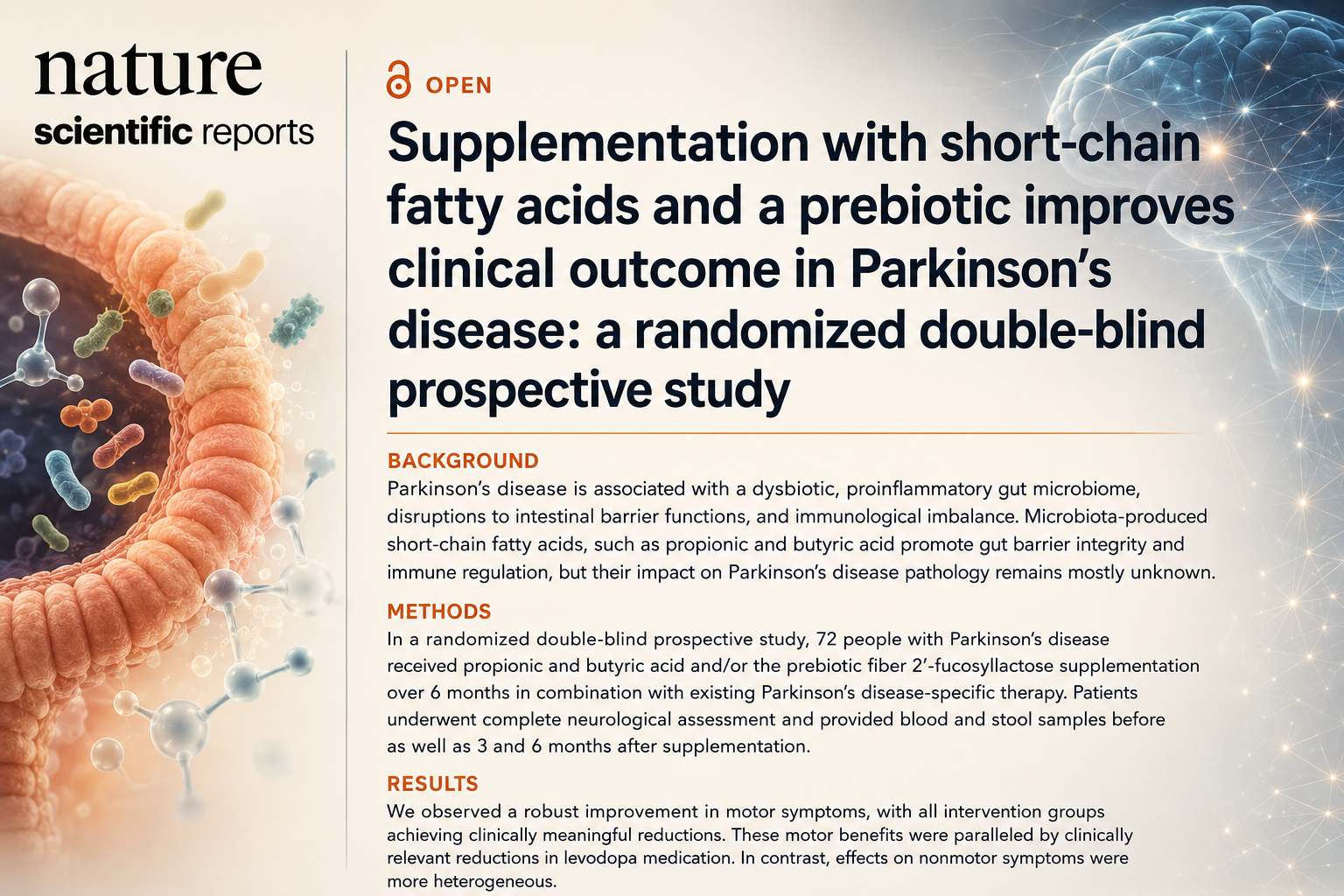
For years, scientists have suspected that the gut and brain are closely connected. Now, a new clinical trial provides some of the strongest evidence yet that improving gut health may have meaningful effects on neurological function.
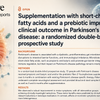
Researchers recently published the results of a randomized, double-blind, prospective clinical trial involving 72 people with Parkinson's disease. This type of study is widely considered the gold standard of medical research, because participants are randomly assigned to treatment groups and neither the patients nor the researchers know who is receiving which intervention until the study is complete.
The results were remarkable.
After six months, participants receiving short-chain fatty acid (SCFA) supplementation experienced significant improvements in motor symptoms, along with reductions in their levodopa medication requirements compared with baseline. Researchers also observed favorable changes in gut health, immune function, and cellular energy metabolism.
What Are Short-Chain Fatty Acids?
Short-chain fatty acids are natural compounds produced when beneficial gut bacteria ferment dietary fiber. The three primary SCFAs are:
- Butyrate
- Propionate
- Acetate
These compounds help regulate many important processes throughout the body, including gut barrier integrity, immune function, inflammation, and communication between the gut and the brain.
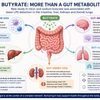
Among these, butyrate has attracted particular scientific interest because it serves as the primary fuel source for the cells lining the colon and plays a central role in maintaining a healthy intestinal barrier.
Why Butyrate Matters in Parkinson's Disease
Multiple studies have found that people with Parkinson's disease often have lower levels of butyrate-producing bacteria and lower levels of beneficial short-chain fatty acids than healthy individuals.
Researchers increasingly believe that disruption of the gut microbiome may contribute to inflammation, impaired gut barrier function, and altered communication between the gut and nervous system—factors that may influence neurological health.
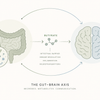
While Parkinson's disease is traditionally viewed as a brain disorder, growing evidence suggests that the disease process may involve the gut as well. This concept is often referred to as the gut-brain axis.
The new clinical trial strengthens this theory by showing that restoring short-chain fatty acid levels can produce measurable clinical benefits in people living with Parkinson's disease.
Why the Form of Butyrate Matters
Not all butyrate supplements are created equal.
One challenge with butyrate supplementation is delivering it to the parts of the digestive tract where it can provide the greatest benefit. Standard butyrate products may release too early in the digestive system, potentially reducing the amount that reaches the lower intestine and colon.
This is why many practitioners prefer microencapsulated sodium butyrate.
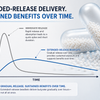
Microencapsulation surrounds the butyrate molecule with a protective coating that helps improve stability and allows for a slower, more gradual release throughout the gastrointestinal tract. This approach is designed to increase delivery to the lower intestine, where butyrate naturally performs many of its most important functions.
LongJuvity Sodium Butyrate contains microencapsulated sodium butyrate, providing a targeted and convenient way to supplement one of the body's most important short-chain fatty acids.
What This Means for Consumers
This study does not show that butyrate cures, treats, or prevents Parkinson's disease. Parkinson's remains a complex neurological condition that requires professional medical care.
However, the findings do provide compelling evidence that supporting healthy levels of short-chain fatty acids may positively influence the gut-brain connection and overall neurological health.
Perhaps most importantly, the benefits observed in this study were not limited to laboratory measurements. Researchers reported improvements in outcomes that matter directly to patients, including motor symptoms and medication requirements.
The Bottom Line
The gut-brain connection is no longer just a theory.
In a randomized, double-blind clinical trial—the highest standard of clinical research—scientists found that increasing beneficial short-chain fatty acids led to meaningful improvements in people with Parkinson's disease.
While more research is still needed, these findings add to a growing body of evidence suggesting that maintaining healthy levels of butyrate and other short-chain fatty acids may be an important part of supporting long-term gut and neurological health.
As the science continues to evolve, one thing is becoming increasingly clear: what happens in the gut may have far-reaching effects throughout the body—including the brain.